
The stifling pace of modern life has led more and more people to seek spiritual healing practices in order to find peace of mind. One of the most powerful and time-honored methods is Mantra – sacred melodies that not only help relax the mind but also offer numerous physical and mental benefits. Let TPY guide you to discover what a mantra is, its benefits, and how it works!
What is a Mantra?
A mantra is known as a sacred sound, chanted and repeated to help focus the mind and create a connection with the energy of the universe. In Sanskrit, “Man” means mind, while “Tra” means liberation. According to this interpretation, a mantra can be understood as an invisible tool that helps release the mind from negative thoughts and redirect it toward inner peace.
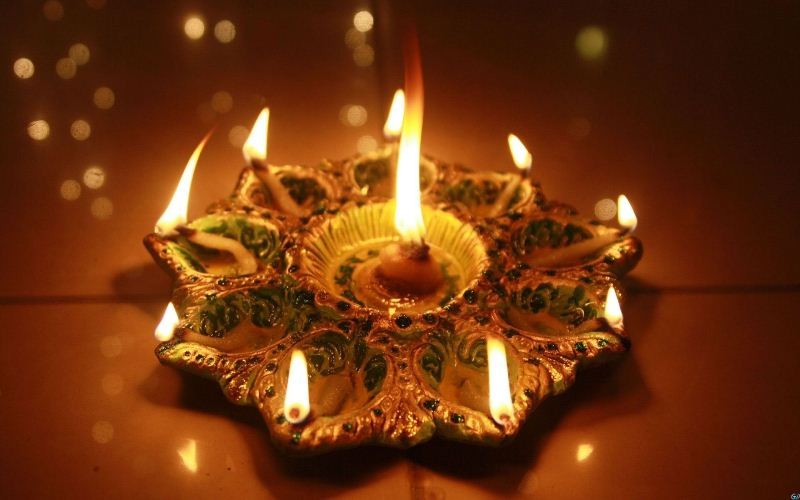
Mantra chants originate from major religions such as Hinduism, Buddhism, and Jainism. Today, they are widely propagated and used across many fields, including yoga, meditation, and some modern healing practices.
Research has found that during the chanting of a mantra, the vibrations of sound can simultaneously affect both the body and the mind, thereby effectively improving mental and physical health.
What Are the Benefits of Mantra?
As introduced at the beginning, a mantra is not just a sacred chant. It is also recognized as a powerful tool for balancing energy, purifying the mind, and enhancing overall well-being. To give you a clearer understanding, here are the key benefits that mantras bring to the body and mind:
- Reduces stress and anxiety: Repeating a mantra helps stabilize your breathing, which can significantly reduce stress and anxiety levels.
- Improves sleep quality: The sound of a mantra deeply relaxes the body, making it easier to fall asleep and enhancing the quality of rest.
- Strengthens the immune system: Chanting mantras reduces cortisol levels (a stress hormone), thereby supporting the immune system and boosting overall physical resilience.
- Balances the nervous system: Mantra practice regulates both the sympathetic and parasympathetic nervous systems, creating a sense of calm and peace.
- Enhances focus and concentration: Chanting a mantra minimizes mental distractions, helping improve concentration in work, study, and daily life.

Application of Mantra in Yoga and Meditation
Known as the sound of meditation, mantra is not only used in meditation but also plays an important role in yoga practice. Specifically, when yogis incorporate mantras into their sessions, they can experience heightened focus, increased awareness, and a deeper connection with their inner self, resulting in more effective practice.
Application in Yoga Practice
In yoga practice, a mantra serves as a connecting thread that links the body, mind, and spirit. Some yoga classes integrate mantras at the beginning or end of a session to help students relax and balance their energy. Popular yoga styles such as Hatha Yoga, Kundalini Yoga, and Bhakti Yoga use mantras as a means to enhance the effectiveness of the practice.
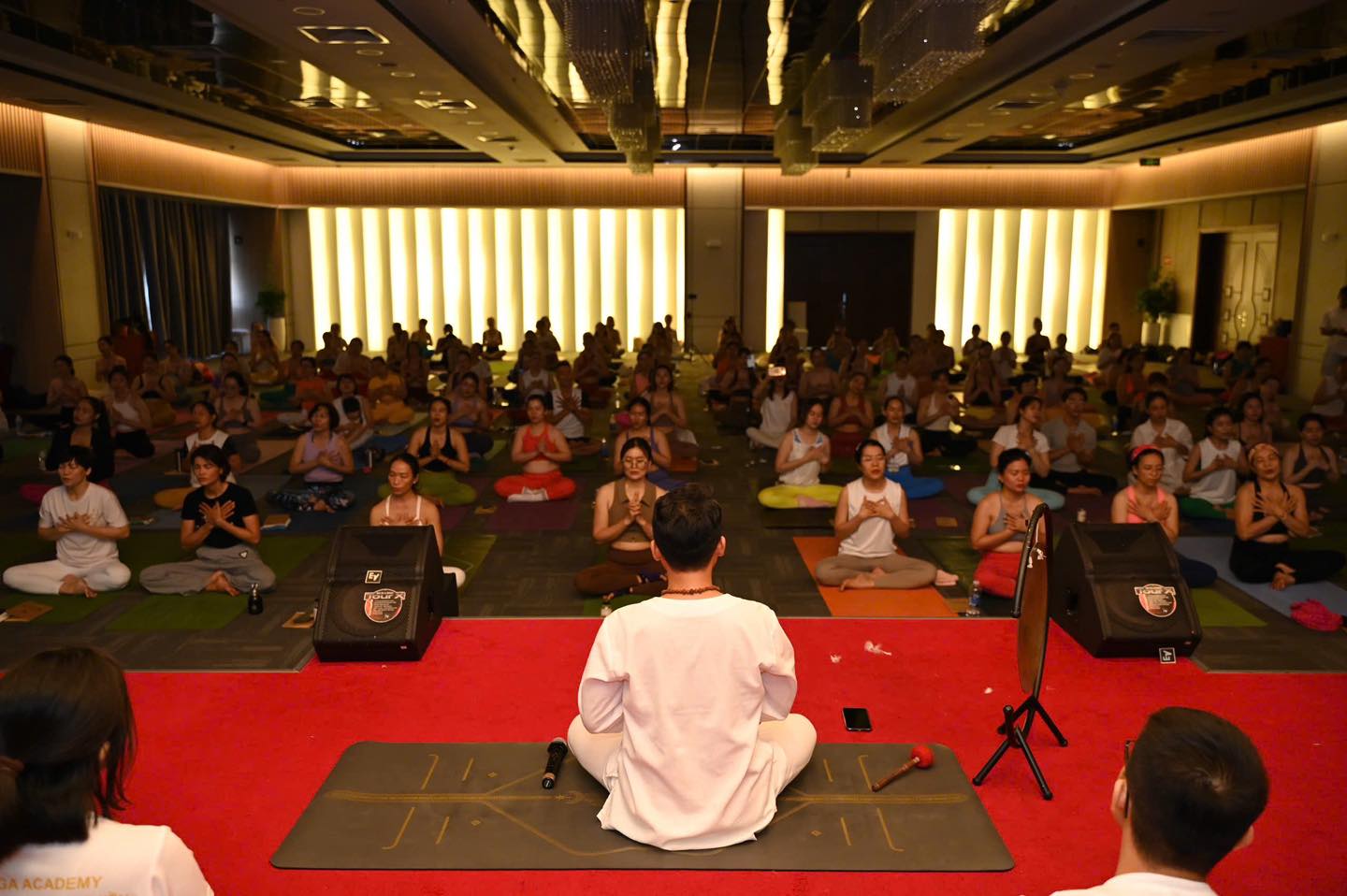
For example, in Kundalini Yoga, the mantra “Sat Nam” is commonly used to activate Kundalini energy, enhancing the practitioner’s awareness and inner strength.
Application in Meditation
Mantras are considered a powerful tool in meditation, helping practitioners reach deeper meditative states more easily. Repeating a mantra continuously prevents the mind from being distracted, allowing you to maintain focus throughout the meditation session.
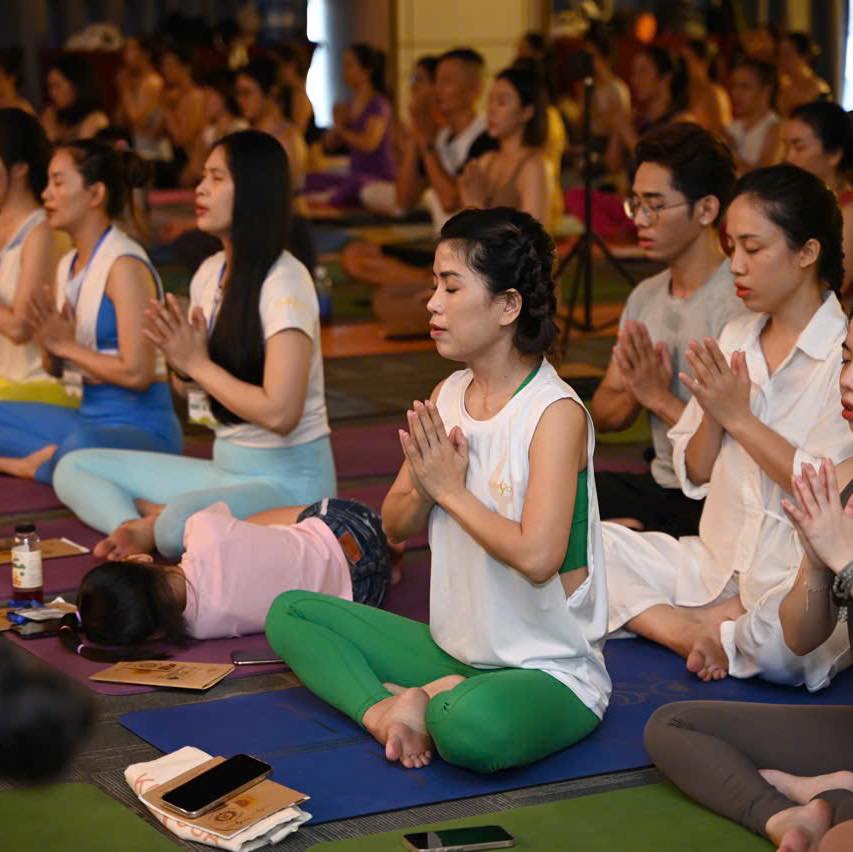
Popular Meditation Practices Using Mantras
- Japa Meditation: Using a mala bead string to sequentially chant a mantra.
- Personal Mantra Meditation: Choose a mantra that resonates with you and repeat it during meditation.
- Ho’oponopono Meditation: Using the mantra “I Love You, I’m Sorry, Please Forgive Me, Thank You” to cleanse the mind.
Effective Mantras and Chanting Techniques for Beginners
Choosing the right mantra and practicing it correctly can help you reach deeper meditative states and experience powerful healing energy. Here are some mantras suitable for beginners, along with guidance on how to practice them.
Beginner-Friendly Mantras
Om or Aum
Om is considered the primordial sound of the universe and is commonly used in yoga and meditation. Chanting “Om” helps balance energy and connect with the cosmos.
Ham – Sah
This breath-related mantra uses “Ham” on the inhale and “Sah” on the exhale. It helps synchronize breath and mind, bringing deep relaxation.
Aham Prema
Meaning “I am divine love”, repeating this mantra can open your heart and invite more love into your life.
Om Shanti, Shanti, Shanti
This mantra means “Peace for oneself, peace for everyone, peace for the universe”. It carries the energy of peace and relaxation.
Om Tat Sat
Meaning “This is the ultimate truth”, this mantra helps the practitioner connect with higher consciousness.
I Love You, I’m Sorry, Please Forgive Me, Thank You
A famous Ho’oponopono mantra from Hawaii. Chanting it helps heal psychological wounds and release negative energy within.
Guidelines for Chanting Mantras
Besides selecting a suitable mantra, proper chanting requires certain practices to maximize its energy. Here are some guidelines and tips:
- Choose a mantra that resonates: Pick a mantra that you feel most connected to.
- Find a quiet space: Select a place free from noise to improve concentration.
- Focus on your breath: Pay attention to your breathing while chanting.
- Use a mala bead string: To track repetitions, use a mala with 108 beads.
- Chant mindfully: Repeat the mantra slowly, focusing on each sound and vibration.
- Practice daily: To experience the full effects, maintain a daily practice of at least 5–10 minutes.

Conclusion
Mantras are not merely chants; they are powerful tools that help improve mental, physical, and spiritual well-being. If you wish to explore mantras more deeply and practice them within a community, the Kundalini Yoga & Kirtan Mantra Workshop on April 19, 2025, at TPY Academy may be the perfect opportunity for you. This workshop offers a chance to experience the direct energy of Kundalini and the healing power of mantra firsthand.