
Chakras in yoga and meditation are known as energetic centers within the human body. They play an essential role in maintaining both physical and mental well-being. But what exactly are chakras? What do they do? Where are they located, and how many are there? In this article, TPY provides a complete overview of the seven chakras as well as practical methods to activate them effectively.
What Are Chakras? How Many Chakras Does the Human Body Have?
As mentioned earlier, chakras are most commonly discussed in the context of yoga and meditation. They represent the flow of energy within the body.
The term chakra refers to energy centers that run along the human body. Chakras are believed to play a crucial role in regulating physical health, mental clarity, and spiritual awareness.
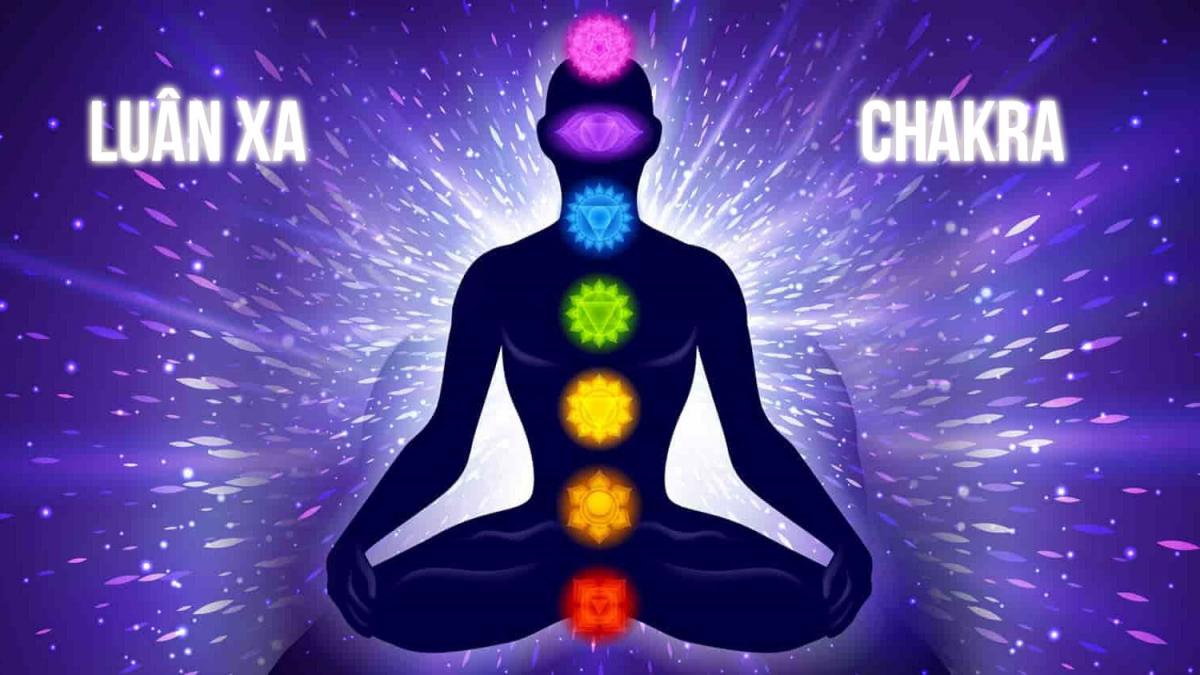
What Are Chakras?
According to yogic philosophy and traditional healing systems, the human body contains seven main chakras located along the spine. They run from the base of the spine (Root Chakra) up to the crown of the head (Crown Chakra). When these chakras remain balanced, we experience vitality, stability, and clarity.
The Seven Chakras and Their Functions
Arranged along the spine in a specific order, each chakra carries its own meaning and governs different aspects of human experience. Together, they maintain balance and connection across the physical, emotional, and spiritual dimensions.
Below is a detailed explanation of each chakra:
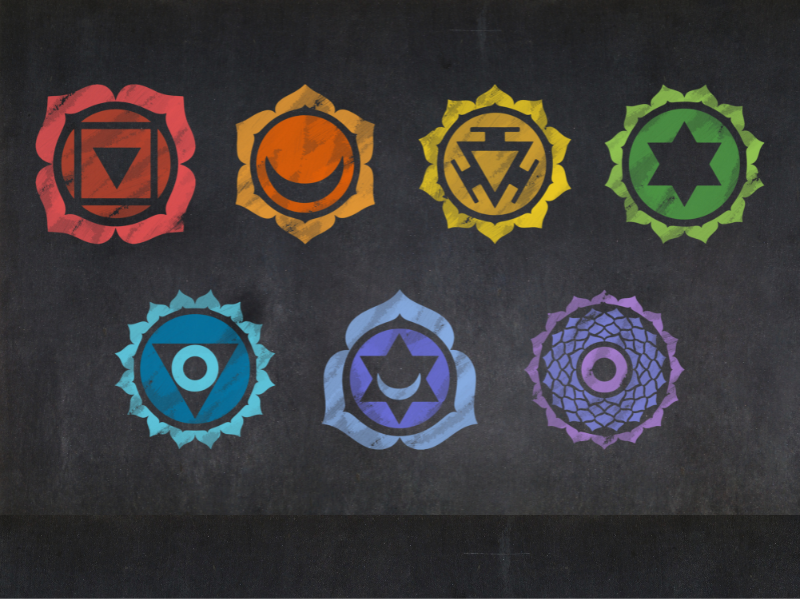
Chakra 1 – Muladhara (Root Chakra)
The Root Chakra is considered the foundation of life. It is closely connected to our sense of safety and stability.
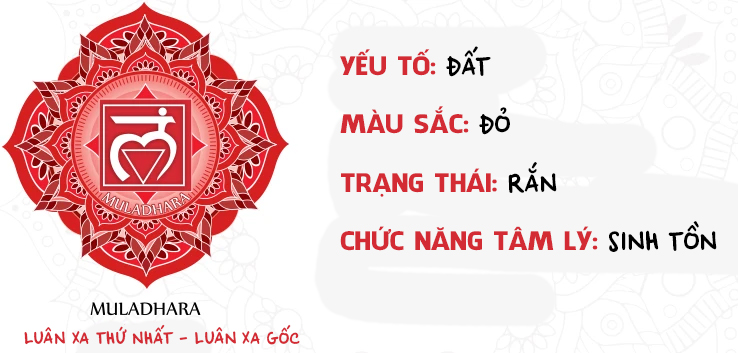
- Location: Base of the spine
- Color: Red
- Function: Safety, grounding, stability
- How to Balance: Meditation, connecting with nature, and yoga postures targeting the legs and lower spine.
Chakra 2 – Swadhisthana (Sacral Chakra)
Located just above the Root Chakra, the Sacral Chakra governs emotions, creativity, and joy.

- Location: Below the navel
- Color: Orange
- Function: Emotions, creativity, and sexual energy
- How to Balance: Yoga practice, dancing, and consuming water-rich foods like watermelon, oranges, and grapefruit.
Chakra 3 – Manipura (Solar Plexus Chakra)
Often called the “Solar Plexus,” this chakra connects strongly to inner strength and personal power.
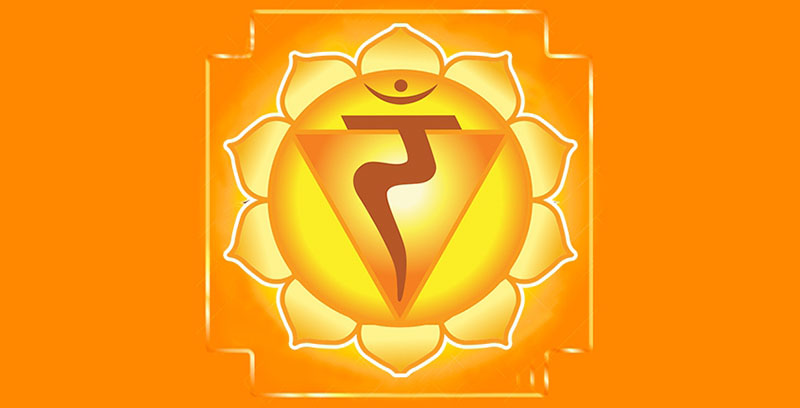
- Location: Upper abdomen
- Color: Yellow
- Function: Willpower, confidence, self-control
- How to Balance: Regular physical exercise, breathwork, and meditation.
Chakra 4 – Anahata (Heart Chakra)
Located at the center of the chest, the Heart Chakra represents love and compassion. It supports emotional healing and deep connection with oneself and others.
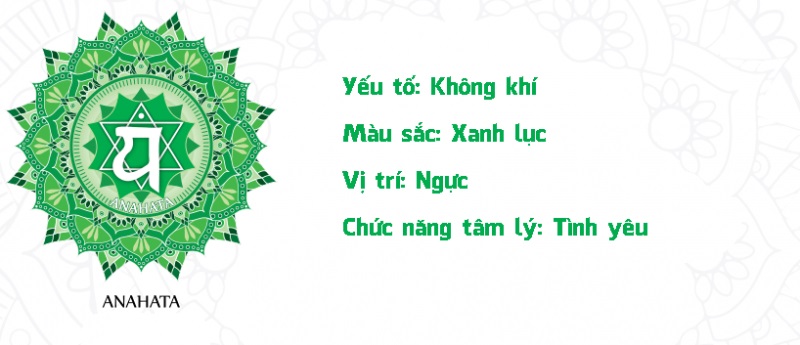
- Location: Center of the chest
- Color: Green
- Function: Love, compassion, emotional connection
- How to Balance: Gratitude practices, connecting with nature, and mindful breathing.
Chakra 5 – Vishuddha (Throat Chakra)
As its name suggests, this chakra supports authentic self-expression, communication, and the ability to listen deeply.

- Location: Throat
- Color: Blue
- Function: Communication and self-expression
- How to Balance: Singing, speaking truthfully, drinking warm water, and using peppermint essential oil.
Chakra 6 – Ajna (Third Eye Chakra)
Located between the eyebrows, Ajna is known as the center of intuition and insight. It allows us to expand awareness and understand ourselves more deeply.
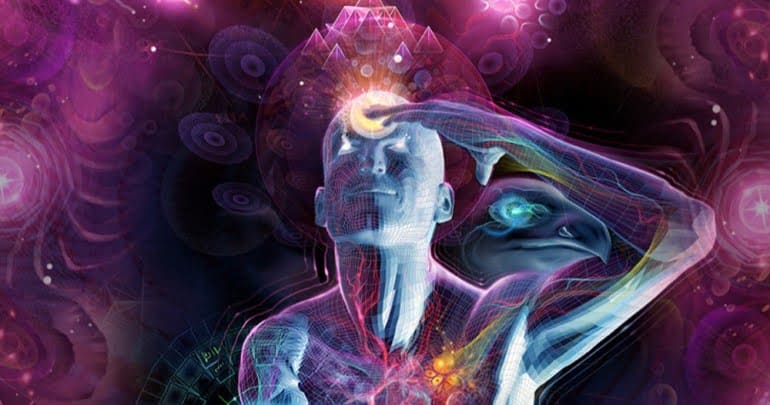
- Location: Between the eyebrows
- Color: Indigo
- Function: Intuition, wisdom, spiritual perception
- How to Balance: Meditation, yoga, and maintaining positive thinking.
Chakra 7 – Sahasrara (Crown Chakra)
The highest chakra, the Crown Chakra, symbolizes spiritual connection and enlightenment. When balanced, it supports unity with the universe and inner awakening.
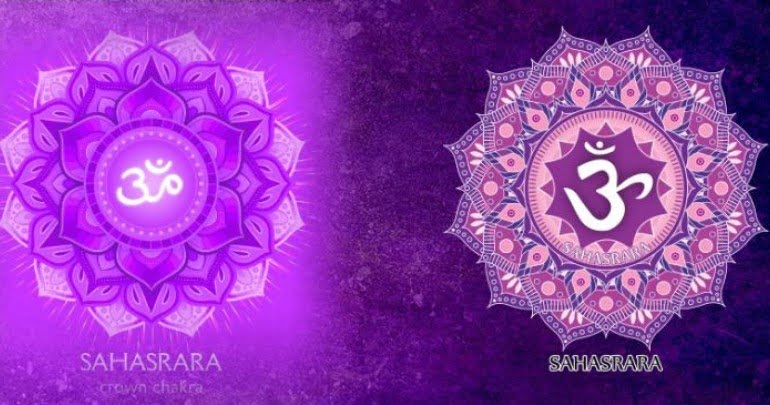
- Location: Top of the head
- Color: Violet or white
- Function: Spiritual connection and enlightenment
- How to Balance: Deep meditation, connecting with nature, and practicing gratitude.
The Three Chakra Groups
To help beginners understand how the chakra system works, TPY groups the seven chakras into three main categories based on their functions:
Group 1: Physical Chakras
Includes Chakras 1, 2, and 3 — all connected to physical health, foundational needs, and internal energy.
Group 2: The Bridge Chakra
Consists solely of Chakra 4 — the Heart Chakra — which bridges the physical and spiritual realms by governing emotions and love.
Group 3: Spiritual Chakras
Includes Chakras 5, 6, and 7 — all related to communication, awareness, and spiritual connection.
How to Activate the Chakras
For the chakras to function harmoniously, it is important to use appropriate methods to open and balance them. Below are effective approaches recommended by TPY:
- Meditation: Enhances awareness, calms the mind, and balances energy.
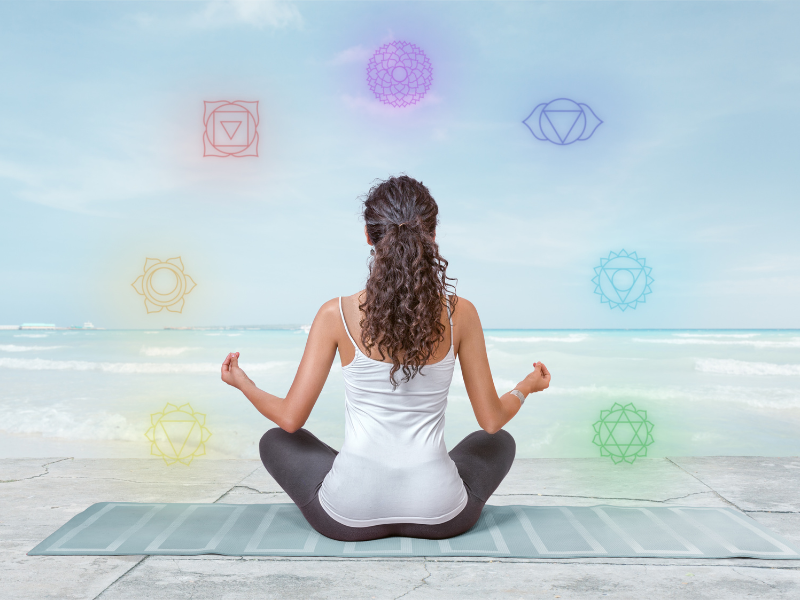
- Yoga Practice: Specific asanas for each chakra help open and stabilize them.
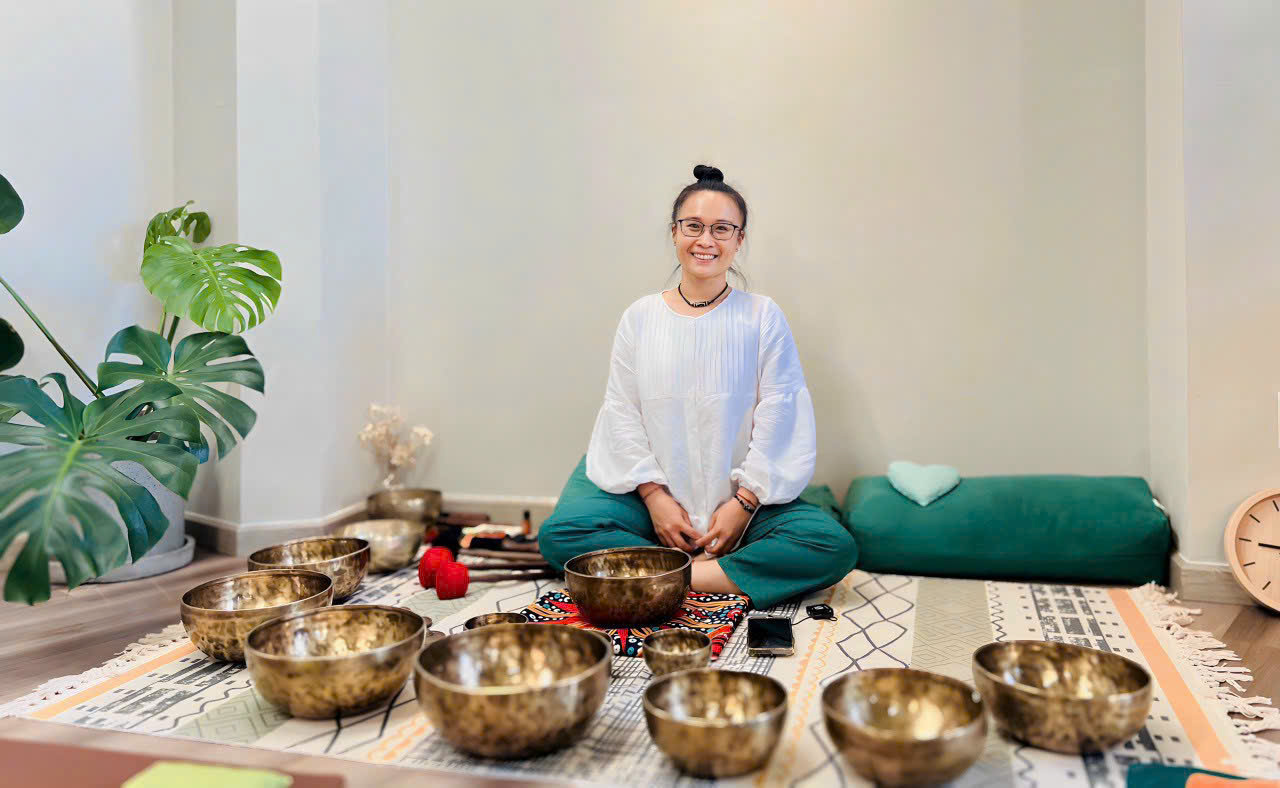
- Sound and Vibration: Tibetan singing bowls, mantras, and healing music support energetic activation.
- Nutrition: Choosing foods that align with the color and energy of each chakra helps stimulate their function.
- Essential Oils and Healing Crystals: Each chakra corresponds to certain oils and stones that support energetic harmony.
Conclusion
Chakras are not simply a spiritual concept in yoga; they are keys to achieving harmony between body and mind. Now that you understand what chakras are and how to balance them, have you discovered how many of your chakras are already open?
The seven chakras play an indispensable role in human well-being. By learning about them and applying the methods shared by tpyacademy.vn, you can cultivate balance and holistic personal development starting today.
We look forward to sharing more insightful content with you soon.